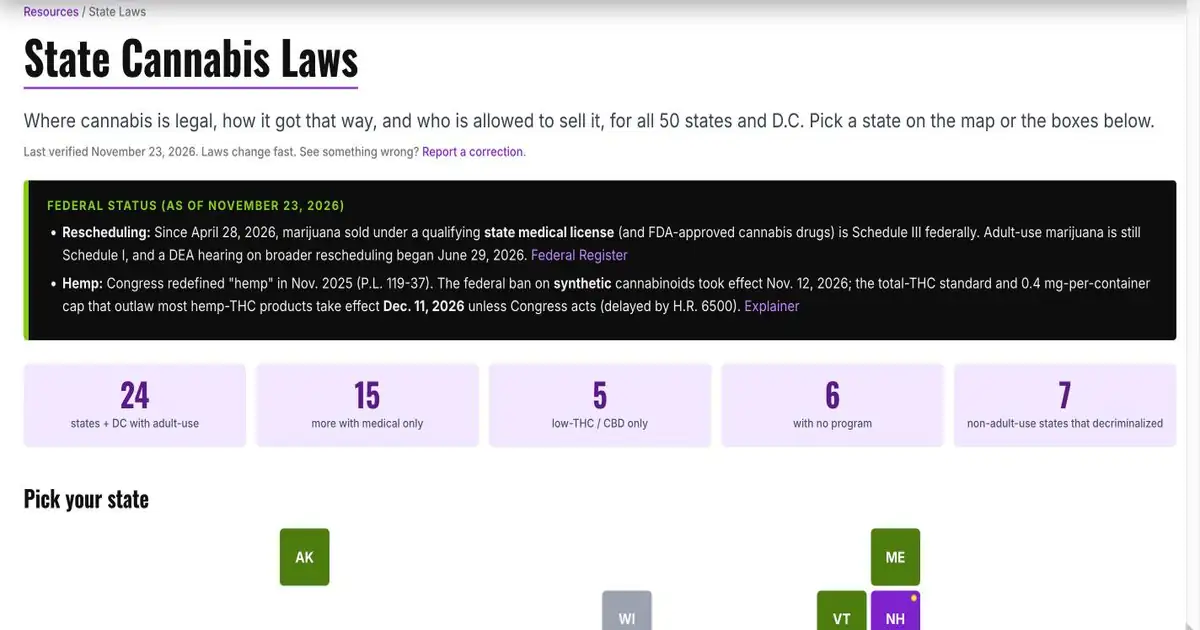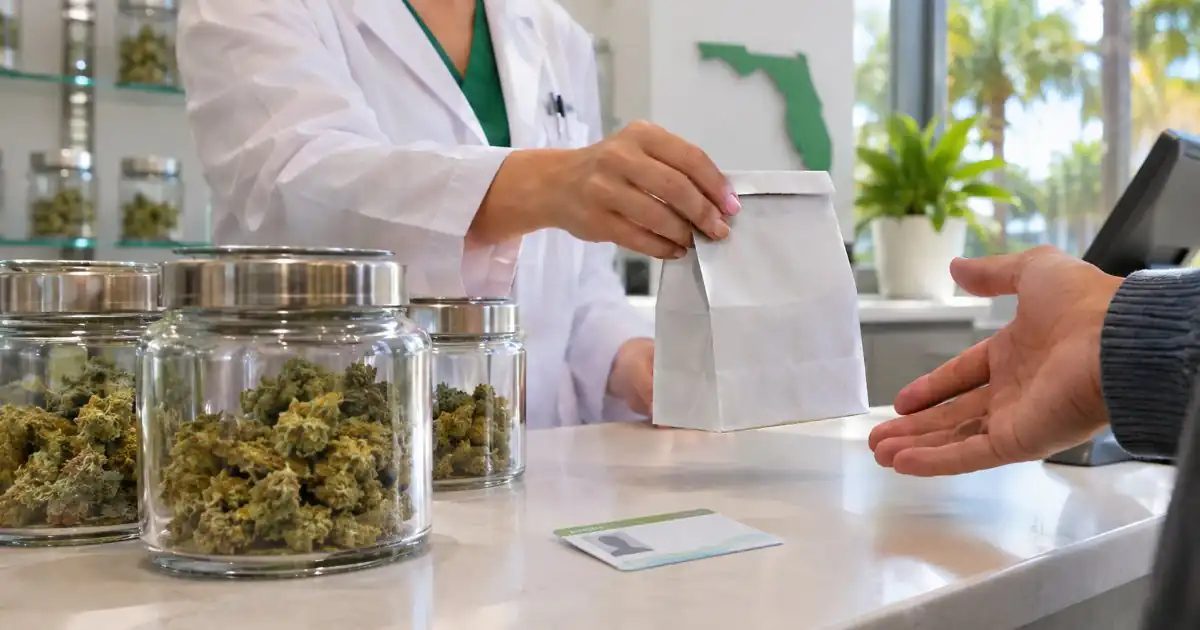
For the first time, state-licensed medical marijuana dispensaries are holding federal DEA registrations, and Florida is among the first states included.
The rollout
On October 30, 2026, the Justice Department announced that the DEA had issued registrations to more than 900 dispensaries in seven medical-only states: Alabama, Florida, Mississippi, South Dakota, Texas, Virginia and West Virginia. Each applicant had to clear a DEA investigation first. DOJ called this the "first phase" of carrying out the April order that moved state-licensed medical cannabis to Schedule III.
The November 29 deadline
The same day, DOJ issued guidance on "permissible activities." Registrants and timely applicants must verify by November 29, 2026 that every company they buy from or sell to is also a registrant or timely applicant. Dealing with anyone outside that system could be grounds to deny an application or revoke a registration.
For Florida's vertically integrated operators, which grow, process and sell their own product, that is mostly an internal paperwork exercise. In states with more independent players, it is a much bigger disruption.
Who's getting rejected
The DEA has said it cannot register medical businesses in states with dual-use licenses that also serve the recreational market, or in states where patients can qualify by self-certification. By mid-November, Marijuana Moment reported that the agency had sent rejection orders to applicants in at least six states and Washington, D.C.
What patients should know
Nothing changes at the counter for Florida patients. You still need your state card and a qualified physician. What changes is the federal status of the companies selling to you, and, through relief from Section 280E, how much federal tax they pay. Whether any of those savings reach patients as lower prices is an open question, and one Ganja Leaks will be watching.